Meet the Best Doctors
Are you looking for the finest healthcare professionals to take care of your well-being? Our team of expert doctors is here to provide you with the highest quality medical care.

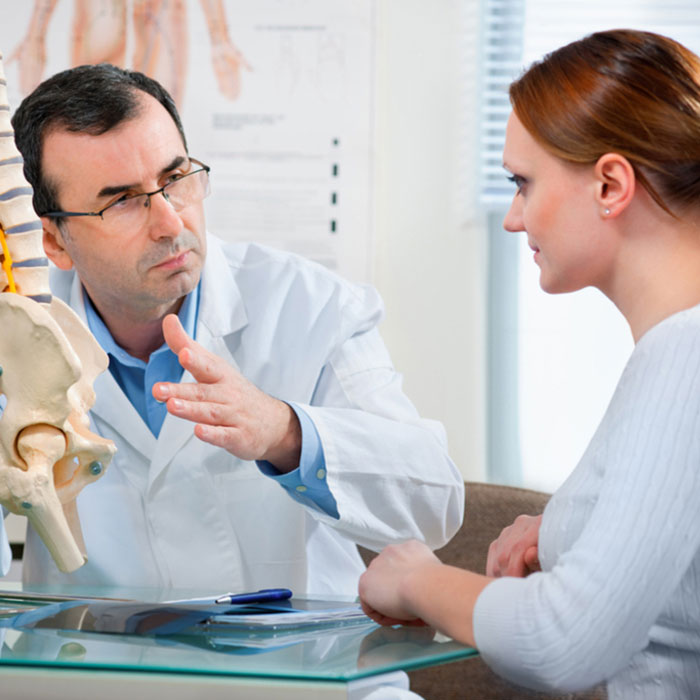
Are you in need of a comprehensive medical checkup to monitor your health? Our dedicated team of healthcare professionals is here to provide you with top-notch medical evaluations and advice.

Seeking expert cardiac care and consultation? Our skilled cardiologists are dedicated to providing you with the best in cardiovascular health services, from diagnostics to treatment plans.
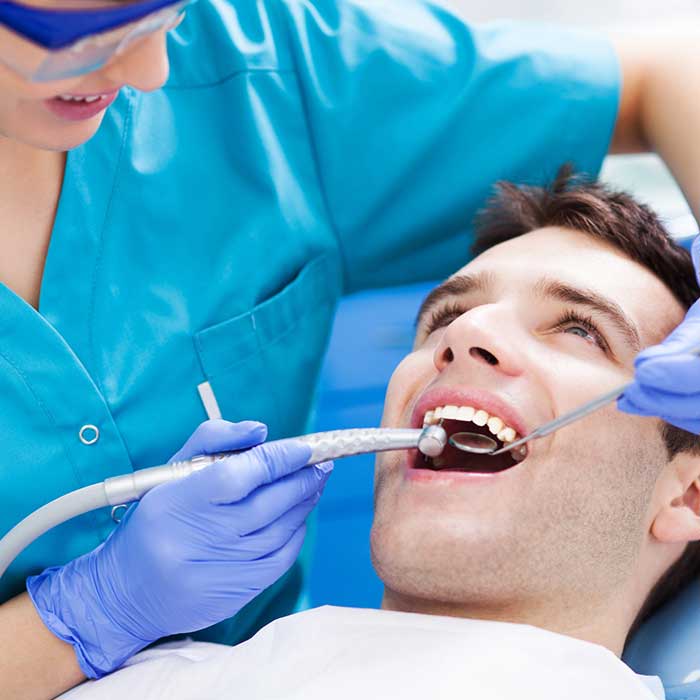
Looking for high-quality dental care and oral health services? Our dental experts are committed to providing you with exceptional dental care and maintaining your oral health.

Are you seeking neurological consultation and care? Our experienced neurologists are dedicated to providing you with comprehensive neurological services and treatment options.
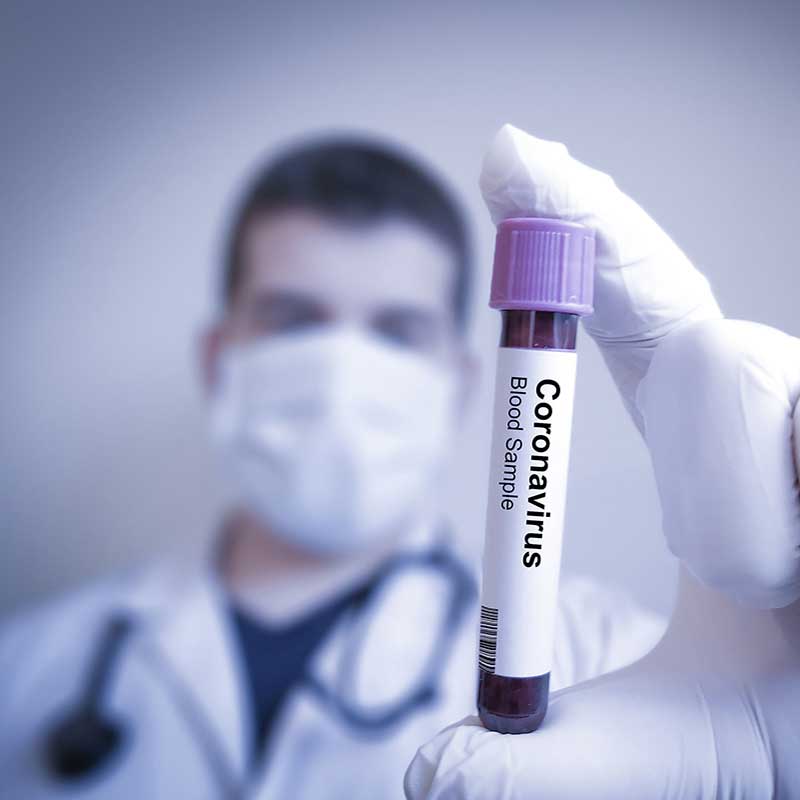
Concerned about your health during these challenging times? Our dedicated team offers COVID-19 testing and checkup services to ensure your well-being.
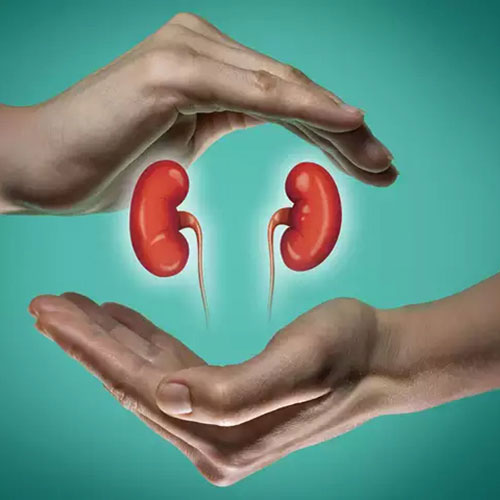
If you're dealing with kidney-related issues, our team of experts offers advanced kidney solutions and care to help you maintain your kidney health.
Seeking medical advice is a straightforward process with us. We aim to provide you with the best healthcare experience. Contact us today to take the first step towards a healthier you.


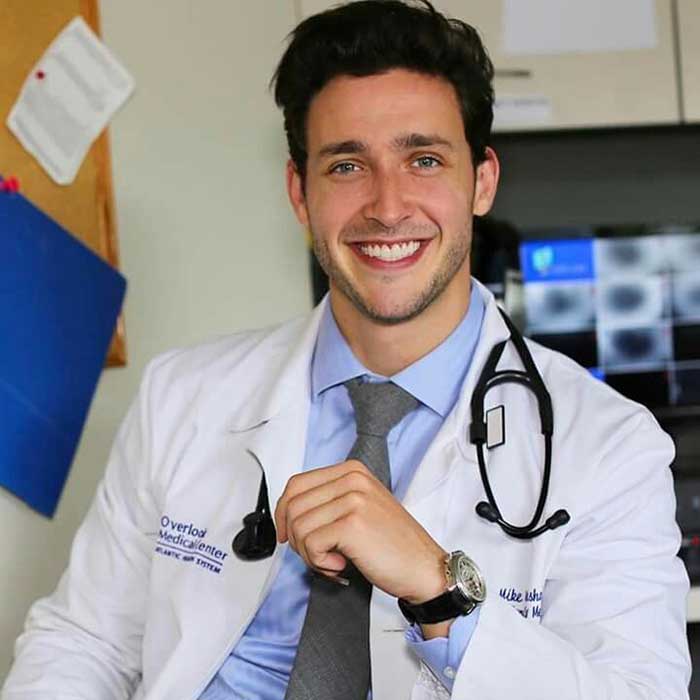

Maintaining a healthy lifestyle is essential for a strong heart. Regular exercise, a balanced diet, and stress management are key factors in heart health. Consulting a cardiologist is important to assess your heart's condition and receive personalized guidance.
A healthy heart is the foundation of a healthy life. Regular exercise, a balanced diet, and stress management can help you maintain a strong heart. Consulting a cardiologist for regular check-ups and guidance is crucial for your heart's well-being.
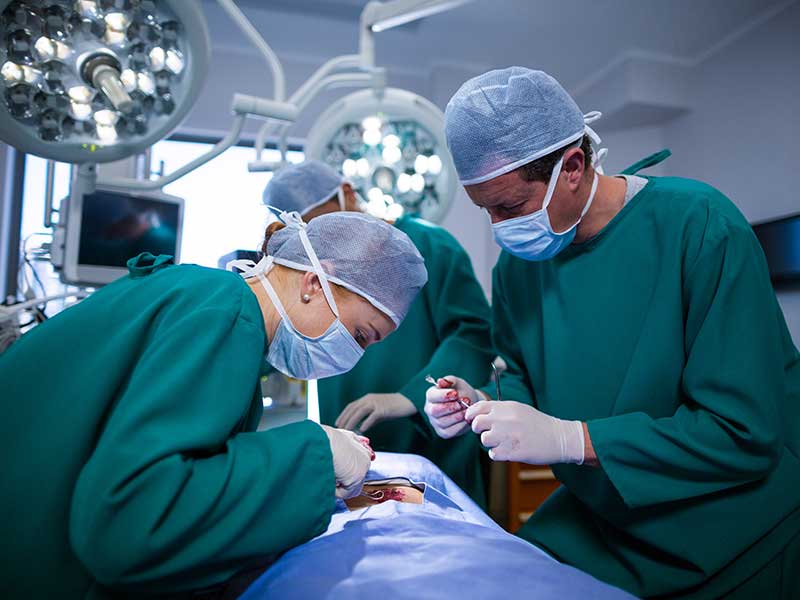
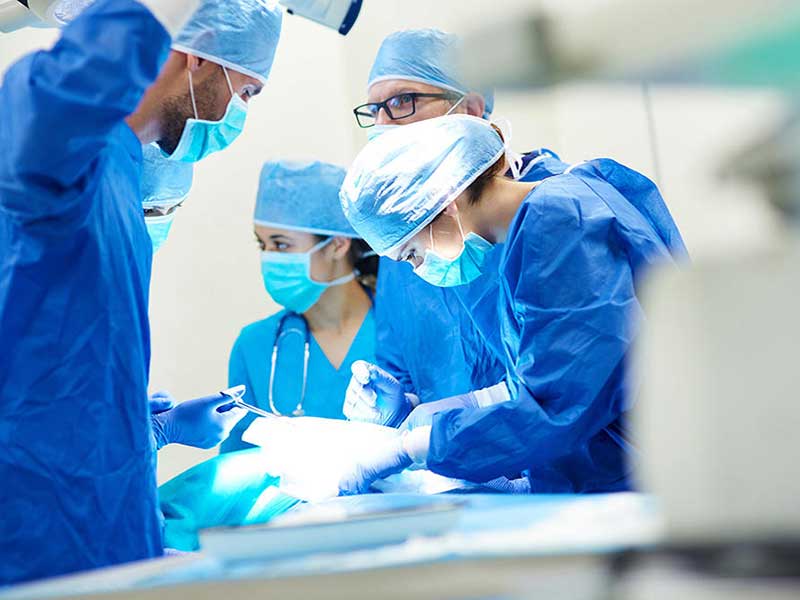
Orthopedic surgeons specialize in the musculoskeletal system, including bones, joints, and muscles. They provide surgical and non-surgical treatment options for various orthopedic conditions. Consult an orthopedic surgeon for expert care and personalized treatment plans.



Pacelliallee 4, 36043 Fulda
49 661 840
Mon - Fri: 8:00 AM - 6:00 PM
Sat - Sun: 9:00 AM - 4:00 PM